Transgender Discrimination: Know Your Rights

Transgender people experience higher levels of discrimination but there legal avenues for recourse. Ron Hughes reports.

When Janice [not her real name] went to her insurance company and requested they change her details from a male name to a female name, staff at the insurance company started asking her inappropriate questions about her gender identity, whether she had had “a sex change operation” and other things in front of other customers which made her feel very uncomfortable. When she suggested to the staff they change their procedures to ensure other trans people didn’t go through the same thing, they shrugged it off saying they didn’t get that many requests of this type.

Janice made a complaint to the Human Rights Commission and the insurance company came along to a compulsory conciliation conference where the matter was resolved. The company committed to undertaking a national training program for staff on gender diversity and discrimination, they committed to reviewing their procedure and policies, they formed a partnership with a not-for-profit specialising in trans issues and they made a donation to an NGO nominated by the complainant. They also invited Janice to present to the management team about her experience. It was not a monetary resolution, Janice didn’t get paid compensation, but she did ensure other trans people wouldn’t go through the same indignities.

That was a positive outcome on balance, but for trans people facing discrimination, it’s often very difficult to get a good resolution. Even simple things like getting a driver’s licence to reflect your identified gender is difficult as well as daily things such as being allowed to use the right rest-room.
Sascha Peldova-McClelland of Maurice Blackburn Lawyers explains the difficulties.

“All of those secondary documents such as driver’s licences and Medicare are reliant on either a birth certificate or a passport, so if you can get them using your passport that’s easier, because getting your passport changed into your identified gender is much easier than getting your birth certificate changed,” Peldova-McClelland says.

Under guidelines introduced in 2011, people can choose what gender they want to be listed as on new Australian passports, even if they have not undergone a sex change (as was required in the past). Now all that is needed is a letter of support from a medical practitioner.

“You can get your birth certificate changed but you have to meet some conditions that are quite restrictive: you have to be over 18 or have your parent or guardian agree and you have to have had a sex-reassignment or gender affirmation surgery. And you can’t be married. That’s how it works in NSW,” Peldova-McClelland explains.

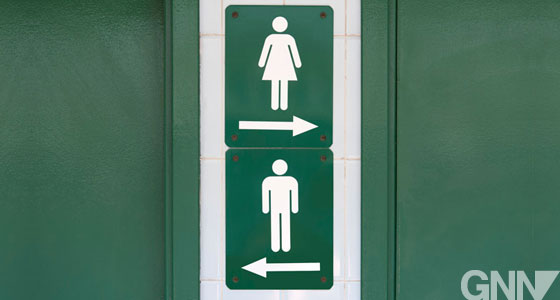
“If you have a birth certificate that reflects your identified gender then you have to be treated as a member of your identified sex and if you’re not that is discrimination. For example, you need to be provided with access to rest rooms of your identified gender. But if you aren’t a “recognised transgender person” under the law, even though you are still protected under some of the anti-discrimination laws, none of those things are a guarantee.

“So you can try to insist that you be allowed, for example, to use bathrooms that accord with your identified gender, but there’s no law that requires employers or anyone else providing facilities to provide that to you. So it’s a bit more of a grey area.”

Discrimination in employment is another frustrating area for trans people.

“The Australian Human Rights Commission publishes reports which consistently show how difficult it is for trans people in employment. From not being recognised in their identified gender to being forced to explain themselves if their identity documents don’t match their identified gender; they’re often denied employment opportunities, denied promotion, or people often find their employment is terminated after it’s revealed that they were born a different sex, or if they announce they are going to transition to a different gender,” Peldova-McClelland says.

What legal resources do trans people have to overcome this discrimination?

“Trans people have recourse to anti-discrimination laws which exist both at a state and a federal level,” Peldova-McClelland explains. “Commonwealth legislation only began to cover gender identity in 2013. That covers things like employment, education, provision of goods and services, accommodation and so on.”

“There’s direct discrimination, for example where somebody might be sacked or bullied or harassed on the basis they are trans, which is unlawful. There’s also indirect discrimination, which is where there’s a requirement or condition which is on its face neutral, but it has the effect of disadvantaging people who are trans. An example: if a company has an HR policy which doesn’t permit changes to an employee’s records, that policy may require a trans person to be constantly disclosing information about their gender identity in order to explain why there’s discrepancies in their personal details,” Peldova-McClelland says.

“You can action that under Commonwealth laws. You can go to the Australian Human Rights Commission and lodge a complaint. The Commission will investigate the complaint and may decide to hold a compulsory conciliation conference where the complainant and for example their employer will attend and try to come to a resolution and if that’s not possible then the complainant has the option to take the matter to the federal court.”

“In case law there’s hardly anything on gender identity discrimination and I think that’s because most of these matters get resolved at the conciliation stage, because it’s so difficult to prosecute them beyond that stage. It’s very expensive, it takes years and discrimination is quite difficult to prove as a technical matter,” Peldova-McClelland says. “A lot of the published decisions you’ll see say ‘No, there was no discrimination’. So it’s quite hard.”

Another murky aspect of the law is that quite often there’s no real legal definition of sex. “You get definitions like, ‘A woman is a person of the female sex’ – totally opaque,” Peldova-McClelland says. “There’s this assumption that sex is this sort of natural, easily discoverable thing that structures society and when you look at it it’s really, really complex. It brings into question a lot of structures in our society. It’s a huge question.”

Getting help

“If you have a complaint under Commonwealth anti-discrimination laws you go to the Human Rights Commission, if you have a complaint under state law you go the anti-discrimination board or tribunal or equal opportunity commission in your state,” Peldova-McClelland says.

Given the laws vary from state to state people can find themselves with different levels of protection and protection for different things in different states. Given there’s not that much case law and laws vary from state to state Peldova-McClelland advises anyone wanting to pursue a complaint to consult with a lawyer experienced in anti-discrimination work as an initial step.

“I know that often involves money which makes it impossible for some people,” she says, “But if there are community legal centres that can help, such as Sydney’s Inner City Legal Centre, which specialises in LGBTI legal issues I’d definitely recommend that. The choice of which jurisdiction to go for is a complex one and it’s not something you’ll be able to get your head around just by reading websites. Have a word with a lawyer first. Anyone practicing in discrimination law should be able to help.”

Sascha Peldova-McClelland is a lawyer specialising in Employment and Industrial Law with Maurice Blackburn Lawyers. Sascha has a particular interest in ending sex and LGBTI discrimination in the workplace. Go to mauriceblackburn.com.au

Gay News Network AU

Gay and Lesbian couples feature in Hallmark Valentine’s campaign

Greeting card giant Hallmark has featured a gay and lesbian couple in their most recent advertising campaign for Valentine’s Day.

The campaign which asks ‘how do you know when you’ve found the one?’ features six different couples relaying their personal stories of romance and explains what it means to find your ‘person’.

The one card campaign

Sharing their stories for the camera are gay couple Robin and Jason appearing with their daughter and lesbians La Paris and Karisia

LaParis and Karisia recall the first time they met and for LaParis it was love at first sight…
“i was completely smitten by her,” says LaParis.

LaParis and Karisia

Gay husbands Robin and Jason remember the moment they frist found out they were having a baby.

“When you meet someone and fall in love it’s an exciting process. Then you have a baby and it’s almost like starting a new relationship,” says Jason.

Robin and Jason

LGBT group raises funds to buy anti-gay church

LGBT advocacy groups are fundraising to purchase a New YorK City Church that was run by reverend David Manning, best known for proclaiming ‘Homos should be stoned’.

The Atlah Worldwide Church is set to be sold in a public auction this month following a court order. The Church is said to owe over $1million in unpaid taxes and bills.

Upon hearing of the sale, LGBT groups have set up a GoFundMe page in an attempt to buy the church to turn it into a support and respite centre for homeless LGBT young people.

Since setting up the page on Friday more than $118,000 has been pledged to the Ali Forney Center which is hoping to use the space to expand housing for LGBT youth.

“I think it would represent a real healing of a terrible wound that’s been in that neighbourhood,” said Carl Siciliano, founder and executive director of the Ali Forney Center.

The centre currently houses 107 homeless youth and has a drop-in area three blocks from Atlah. It offers mental health and medical services and provides over 50,000 meals to homeless LGBT youth annually.

Siciliano said that every night the centre turns away between 170 to 200 young people in need.

If the centre fails to raise enough funds to buy the building, it plans to use the monies raised to assist with homeless LGBT youth programs at other sites.

Trans activist stands for Irish Assembly

Transgender activist Ellen Murray has announced she will be standing in West Belfast as a candidate for the Green Party in the upcoming Northern Ireland Assembly elections.

Murray is the first openly transgender candidate to stand for election in Ireland.

“I am delighted and excited to put my name forward as a Green Party candidate in the upcoming Assembly election,” Murray said.

“Having spent a number of years working with marginalised young people, I believe the time is right for change in Northern Ireland, to bring about equality for all.

“There is clear under-representation of many groups within the Assembly, including women, young people and the LGBTQ community. I will to give a voice to those who need it most.”

Murray said she is standing for election because she believes the political system should be accessible to everyone.

“As a young, queer, trans woman, I hope that standing for election as an MLA will offer choice and hope for those who need it most,” Murray said.

“I am proud to stand for the Green Party which has such a strong record on social issues. Having more Greens in Stormont can only help to improve the quality of life for everyone in Northern Ireland.”

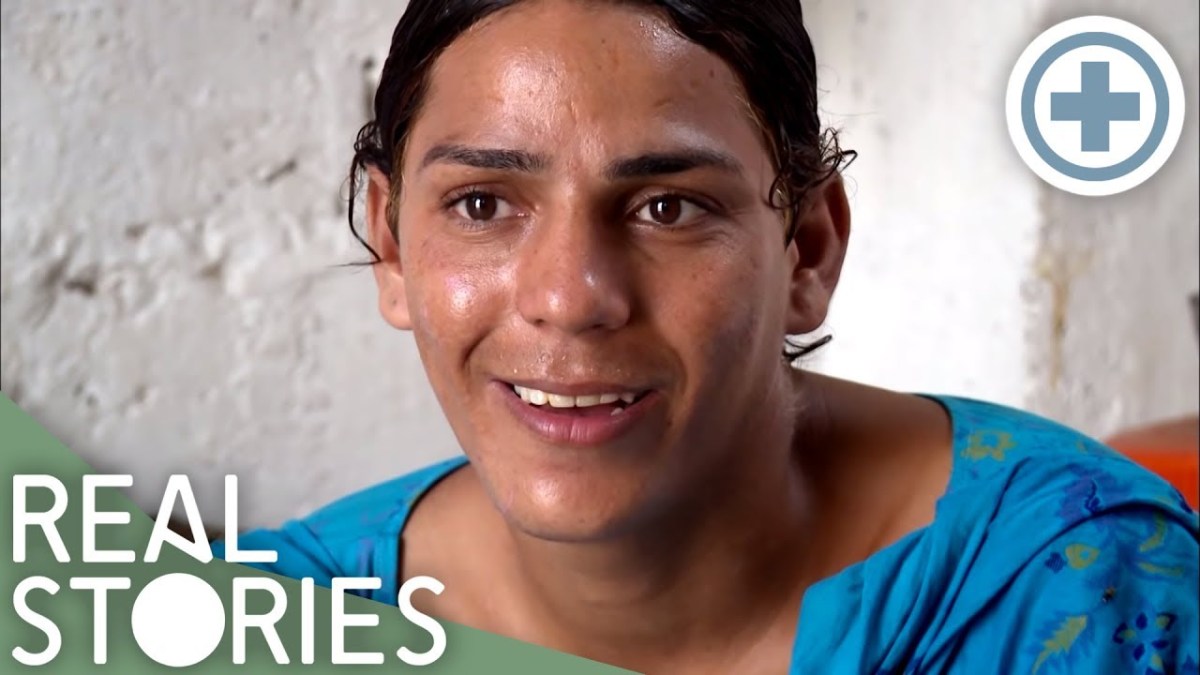
LGBT Documentary, Pakistan’s Transgenders

Flamboyant, colorful and eccentric, many among Pakistan’s marginalized transgender community scrape a living through dancing, singing and begging on the streets of the country’s economic capital, Karachi. Many others, though, earn money catering for the sexual needs of the city’s seedier districts.

Investigating a never-before-seen side of life in Pakistan, this film from Oscar and EMMY award-winning director Sharmeen Obaid-Chinoy follows the stories of three transgender people, who each represent a different way of life in the country. Maggie is a prostitute who dreams of becoming an air hostess, while Chahat was abandoned by every middle-class family to beg on the streets. Sana is Karachi’s most sought-after transgender dancer, desperate to give up the profession after a particularly gruesome gang rape. Is there any hope for these courageous individuals who want to stand out on their own?

With exclusive access, this cutting-edge film goes behind the scenes of the transgender community to uncover the truth behind Pakistan’s Open Secret.

Official Selection, United Nations Association Film Festival

Content licensed from TVF International. Any queries, please contact us at: owned-enquiries@littledotstudios.com

Produced by Clover Films

Date: 2016-12-30 15:00:04
Duration: 00:53:14

ISIS throw gay teen from rooftop

A 15-year-old-boy has been thrown from a rooftop by ISIS militants

A teenage boy who was found engaging in sexual activity with a senior ISIS officer has been thrown from a Syrian rooftop whilst the ISIS member has been sent to the frontlines in Iraq to fight.

According to Syrian news agency, ARA, the teen was reportedly ‘captured’ in the house of ISIS leader Abu Zaid al-Jazrawi on Thursday.

ISIS militants arrested the teen on charges of homosexuality and he was convicted under Sharia law. Abu Zaid al-Jazrawi was also scheduled to be executed however ISIS officers intervened and sent the former leader to fight on the frontline instead.

The boy was thrown from the top of a building in central Deir ez-Zor, Syria.

The UN suggests that more than 30 people have been executed by ISIS in the past 12 months for being gay.

The executive director of the International Gay and Lesbian Human Rights Commission, Jessica Stern, said Islamic State’s homophobic violence was inspiring widespread homophobic attacks.

“In addition to men perceived as gay, trans-identified people and lesbians are among those who have been raped and killed,” sais Stern.

Gay Advertising, The Campbell Spot

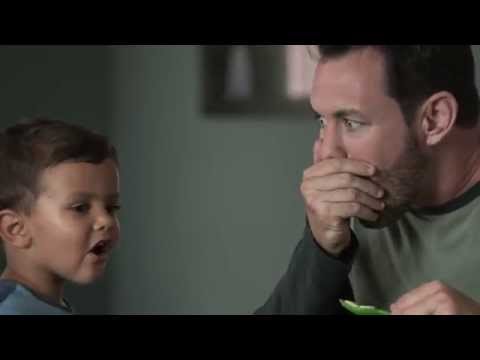
Adorable: there are no other words to define this spot by Campbell, the famous brand of canned soups in the United States, made for the Star Wars Edition. Two gay dads grappling with the meal time, a scene of daily love (with reference to the film) and the claim “Created for real, real life”.

In the face of those who think that rainbow families are “stuff from another world”!

Chinese Treatments To “Heal” Homosexuality

The Chinese Psychiatric Association has de-registered homosexuality from the list of mental illnesses for 15 years, and homosexuality itself is not a crime in China. Still, many clinics still offer treatments to “heal” from this “condition”.

The social and cultural stigma against homosexuals is still strong. For Chinese parents, the most important thing is that their children make them grandparents.
As John, a Chinese LGBT activist in this video, explains to us, for a Chinese person to come out with their parents is the most difficult thing.

The British Channel 4 has made a documentary in which a courageous Chinese LGBT activist has infiltrated one of the clinics that promise, with shock treatments, to “heal” homosexuality. The treatments people are subjected to in this clinic are horrifying and are IN fact dangerous. For example, there are various forms of electroshock – performed on different parts of the body – which should, in theory, make the patient associate a negative stimulus with the sexual impulse towards people of the same sex.

We can see the result in this trailer.

Anticipation grows for ‘Girl/Girl Scene’ season two

If you haven’t seen the series, Girl/Girl Scene, you have time to catch up on season one episodes before the season two release in July. Girl/Girl Scene premiered their first 45 minute episode in June 2010 and quickly garnered the attention of the LGBT community, gaining instant fans.

Tucky Williams is the creator, writer and lead actress of the series. She started in the industry after auditioning for the indie horror film, Shadows Light where she not only landed her first role but also was cast as the female lead. Unfortunately, a common story among actresses emerged; she was not getting parts she related to or wanted to play. That’s when executive producer and friend Nick Brown stepped in and encouraged her to write. She wrote the first episode the night they spoke and he helped her to its fruition. “We had just made the first episode and I was surprised it even got made, and we put it out online and all my wildest dreams came true and people loved it, and embraced it, and watched it; and I still can’t believe that it happened to me; that I got so lucky; to find that success so quickly,” said Williams.
The show is shot guerilla-style in her home state of Kentucky and has no budget or affiliation to a studio or TV network. “I’m really lucky to have the talented cast and crew that we have,” Williams said. “We have very limited amounts of money. The show is very low budget and I watched the dailies and they’re beautiful. We have this amazing talent; we do have this tiny budget and it looks like we have a huge budget; so we’d love to have more money to put into it but … we’ve done so much with so little,” Williams continued.
Most recently, Williams caught the eye of producers from Showtime’s The Real L Word. They mic’d her during a New York engagement and during her hosting gig at The Dinah in Palm Springs this year. “I don’t think I was cast, it was more like I was there, and I wasn’t going to be a dick and say no you can’t mic me and you can’t put me on camera,” said Williams. The impromptu appearance on the show seemed to confuse the members of The Real L Word, that hadn’t seen Girl/Girl Scene. They looked on quizzically as her fans approached her for pictures and hugs. She imagined they thought she was someone’s girlfriend.

The Dinah event in Palm Springs also lead to the casting of American pornographic actress and lobbyist for the adult entertainment industry, Kayden Kross. “I met Tucky on one of the red carpets at the Dinah last year. I was hosting the special for Here! TV and she was walking it and we kinda met mouth first. There’s YouTube footage,” said Kross. “Her producer emailed me out of the blue and asked if I’d be interested. I figured it would be fun and had the free time.” In comparison to her day job, Kross found some similarities and differences, “The mood seemed very similar though. For the most part it’s relaxed and there is a cohesiveness in the group effort involved in getting wrapped on time. The difference is we don’t wrap on time on porn sets,” said Kross.
Another new member to the cast is Abisha Uhl from the band Sick of Sarah. “The first time I met her she ran up to me and gave me a hug; she was just really sweet and so I asked her to be on the show in episode eight, and we flew her out here and she did one scene and I was like, ‘Oh My God’ because she was amazing, and so then she became a cast member in season two, because she was that good; she’s hilarious,” said Williams.

That one episode has Uhl’s music fans eager for more; so much so that a promo photo of Uhl and Williams kissing spread like wildfire on Tumblr and viewership instantly increased. “Well, they haven’t even seen much yet, but so far the response has been great! I’m thinking they like seeing me kiss girls. My character really develops more this next season. I’m excited for the response,” said Uhl. With acting experience under her belt and touring with her band, expect to see more of Uhl. “I would love to do both. My band is my main thing, but acting is something I’ve always wanted to explore,” Uhl added.

“I think we’re just taking it up a level and it’s the same show and at the same time it’s more fun, more engaging, but we still take it to those dark places plus we got some really really awesome new cast members for season two” says Williams, enthusiastically. One of the themes that will be explored in season two is epilepsy which she hopes more public figures will speak out about. “So many people are in the closet about having it and it makes me crazy because [there’s] just such a stigma over it,” explains Williams.
As the anticipation for the new season grows there are two things to learn from Williams, Uhl and Kross. One, if you want to be on Girl/Girl Scene make sure to give Williams a kiss and/or hug when you see her and two, if you want something, go for it, live your dreams and if you’re good, the fans will follow.

You can watch Girl/Girl Scene on blip.tv, girlgirlscene.blip.tv and/or on GGS’ official Web site, girlgirlscene.com. For more about Tucky Williams go to tuckywilliams.com.

For more information about Kayden Kross go to clubkayden.com and/or follow her on Twitter @kayden_kross.

For more information about Abisha Uhl and her band, Sick of Sarah, go to sickofsarah.com.

Short URL: http://lgbtweekly.com/?p=24847

For one openly gay Muslim, a pilgrimage to Mecca carries threat of death

The struggles normally associated with making an independent documentary are largely associated with costs; the cost of paying for equipment and rentals, the cost of paying the actors and crew and keeping them fed, the costs associated with marketing and promoting the film. But for openly gay Muslim, Parvez Sharma, the costs associated with making his documentary A Sinner in Mecca included the very real threats to his life. “For a gay filmmaker, filming in Saudi Arabia presents two serious challenges: filming is forbidden in the country and homosexuality is punishable by death.”

The documentary, which filmed, among other things, the mass pilgrimage to Mecca by Muslims – known as the “Hajj” – with two smuggled cameras and iPhone, put the Indian-born filmmaker in constant fear for his safety. But, as he told the Indian portal Scroll.in recently: “As a filmmaker and an activist intent on reforming Islam, it was important for me to challenge Saudi authority ‒ this is the most corrupt and secretive regime in Islam and they have an insidious and longstanding project to export their version of an 18th century Islam called Wahabi Islam, which is an Islam of fear. It is an Islam that reserves the death penalty for openly gay Muslims like me.”

And according to OpposingViews.com, which picked up on the story, the film also explores “the brash commercialization of the five-day Hajj experience, the harsh treatment of Shia Muslims by Sunni Muslims and the filthy conditions created by the mass overcrowding for the event, which Muslims are expected to attend at least once in their lives.”

Meanwhile, The Hot Docs Canadian International Film Festival has implemented strict security measures for next week’s world premiere of A Sinner in Mecca. Hot Docs Communications Director Jonathan Da Silva told The Hollywood Reporter about hiring personal security for Sharma, “Hot Docs strives to ensure that all guests feel safe and secure while attending the festival, and out of an abundance of caution we felt this measure was appropriate.”

Short URL: http://lgbtweekly.com/?p=59632

Design a site like this with WordPress.com
Get started