Transgender Gender Transition Documentary

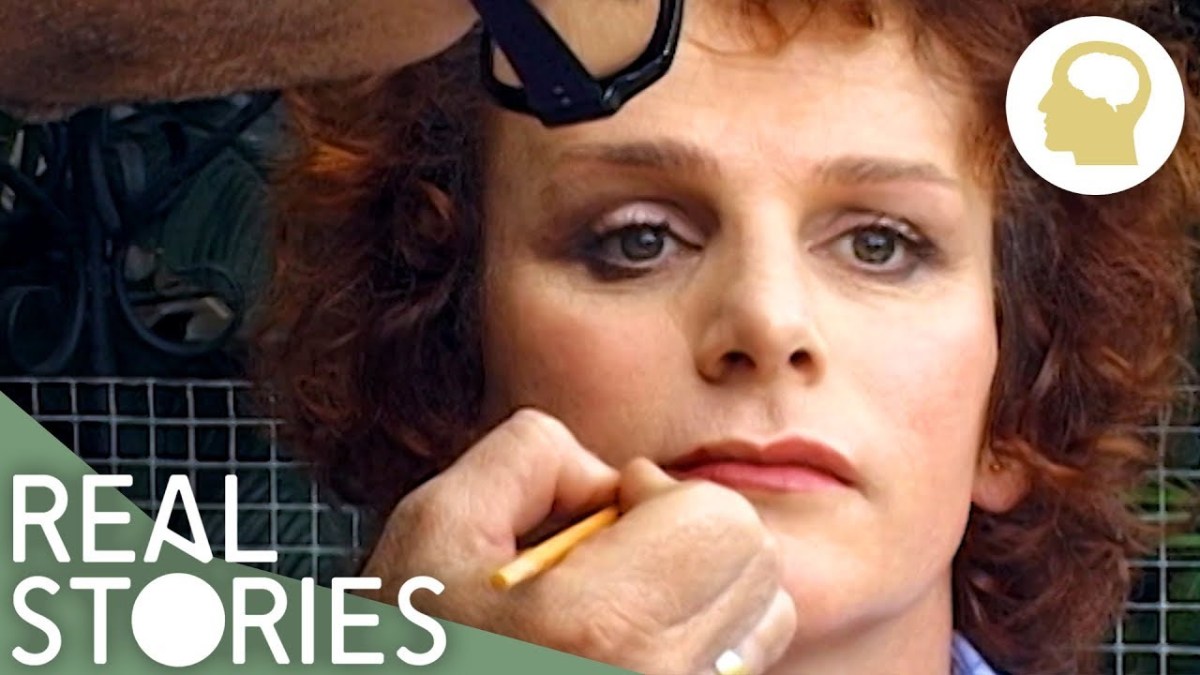
In this intimate and personal portrait, we follow Paul, a single, straight bus driver of 37, as he undergoes a gender transition to begin living as a woman called Julia. At first glance, Paul comes across as a regular, affable and blockey man with a passion for racing and farming, but inside it is a different story. Despite Paul’s living and looking like a man, Paul has always felt like a woman.

Filmed over a two-year period, this reveling and intimate documentary explores the deconstruction and reconstruction of a person with unflinching humor and surprise, turning upside down all the stereotypes about what makes a man and what makes a woman. Julia gives us an engaging account of a sex change.

Ultimately, this film is not the perfect way to live.

Date: 2017-11-12 00:00:02
Duration: 00:49:30

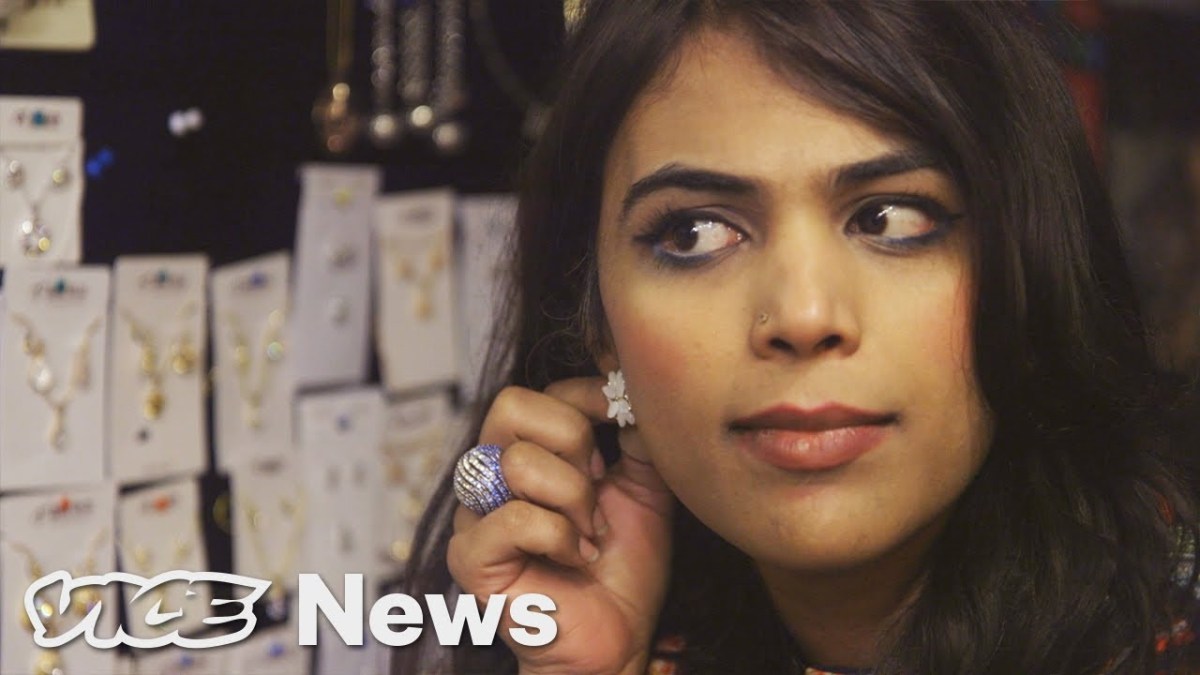
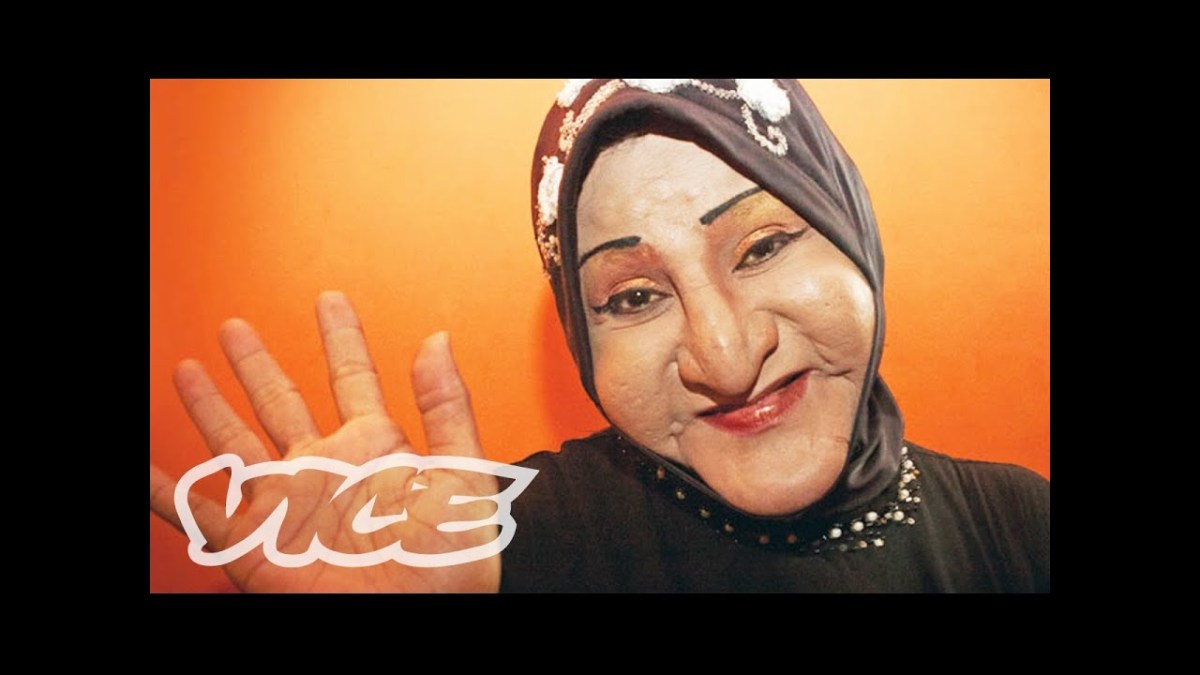
Lesbian, Gay, Bisexual and Transgender in Pakistan

Pakistan is one of the world’s least tolerant countries when it comes to homosexuality. Being gay is illegal in the Islamic republic and carries a sentence of up to 10 years in prison. Gay men are often accused of bringing shame to their families and commonly face violence – sometimes even murder.

Gay-focused apps like Grindr, Scruff, and ManJam.

VICE News went to Pakistan to unravel the country’s underground gay scene and examine the ways that technology is being used to achieve sexual freedom.

Date: 2017-08-07 16:30:00
Duration: 00:16:21

Transgender Discrimination: Know Your Rights

Transgender people experience higher levels of discrimination but there legal avenues for recourse. Ron Hughes reports.

When Janice [not her real name] went to her insurance company and requested they change her details from a male name to a female name, staff at the insurance company started asking her inappropriate questions about her gender identity, whether she had had “a sex change operation” and other things in front of other customers which made her feel very uncomfortable. When she suggested to the staff they change their procedures to ensure other trans people didn’t go through the same thing, they shrugged it off saying they didn’t get that many requests of this type.

Janice made a complaint to the Human Rights Commission and the insurance company came along to a compulsory conciliation conference where the matter was resolved. The company committed to undertaking a national training program for staff on gender diversity and discrimination, they committed to reviewing their procedure and policies, they formed a partnership with a not-for-profit specialising in trans issues and they made a donation to an NGO nominated by the complainant. They also invited Janice to present to the management team about her experience. It was not a monetary resolution, Janice didn’t get paid compensation, but she did ensure other trans people wouldn’t go through the same indignities.

That was a positive outcome on balance, but for trans people facing discrimination, it’s often very difficult to get a good resolution. Even simple things like getting a driver’s licence to reflect your identified gender is difficult as well as daily things such as being allowed to use the right rest-room.
Sascha Peldova-McClelland of Maurice Blackburn Lawyers explains the difficulties.

“All of those secondary documents such as driver’s licences and Medicare are reliant on either a birth certificate or a passport, so if you can get them using your passport that’s easier, because getting your passport changed into your identified gender is much easier than getting your birth certificate changed,” Peldova-McClelland says.

Under guidelines introduced in 2011, people can choose what gender they want to be listed as on new Australian passports, even if they have not undergone a sex change (as was required in the past). Now all that is needed is a letter of support from a medical practitioner.

“You can get your birth certificate changed but you have to meet some conditions that are quite restrictive: you have to be over 18 or have your parent or guardian agree and you have to have had a sex-reassignment or gender affirmation surgery. And you can’t be married. That’s how it works in NSW,” Peldova-McClelland explains.

“If you have a birth certificate that reflects your identified gender then you have to be treated as a member of your identified sex and if you’re not that is discrimination. For example, you need to be provided with access to rest rooms of your identified gender. But if you aren’t a “recognised transgender person” under the law, even though you are still protected under some of the anti-discrimination laws, none of those things are a guarantee.

“So you can try to insist that you be allowed, for example, to use bathrooms that accord with your identified gender, but there’s no law that requires employers or anyone else providing facilities to provide that to you. So it’s a bit more of a grey area.”

Discrimination in employment is another frustrating area for trans people.

“The Australian Human Rights Commission publishes reports which consistently show how difficult it is for trans people in employment. From not being recognised in their identified gender to being forced to explain themselves if their identity documents don’t match their identified gender; they’re often denied employment opportunities, denied promotion, or people often find their employment is terminated after it’s revealed that they were born a different sex, or if they announce they are going to transition to a different gender,” Peldova-McClelland says.

What legal resources do trans people have to overcome this discrimination?

“Trans people have recourse to anti-discrimination laws which exist both at a state and a federal level,” Peldova-McClelland explains. “Commonwealth legislation only began to cover gender identity in 2013. That covers things like employment, education, provision of goods and services, accommodation and so on.”

“There’s direct discrimination, for example where somebody might be sacked or bullied or harassed on the basis they are trans, which is unlawful. There’s also indirect discrimination, which is where there’s a requirement or condition which is on its face neutral, but it has the effect of disadvantaging people who are trans. An example: if a company has an HR policy which doesn’t permit changes to an employee’s records, that policy may require a trans person to be constantly disclosing information about their gender identity in order to explain why there’s discrepancies in their personal details,” Peldova-McClelland says.

“You can action that under Commonwealth laws. You can go to the Australian Human Rights Commission and lodge a complaint. The Commission will investigate the complaint and may decide to hold a compulsory conciliation conference where the complainant and for example their employer will attend and try to come to a resolution and if that’s not possible then the complainant has the option to take the matter to the federal court.”

“In case law there’s hardly anything on gender identity discrimination and I think that’s because most of these matters get resolved at the conciliation stage, because it’s so difficult to prosecute them beyond that stage. It’s very expensive, it takes years and discrimination is quite difficult to prove as a technical matter,” Peldova-McClelland says. “A lot of the published decisions you’ll see say ‘No, there was no discrimination’. So it’s quite hard.”

Another murky aspect of the law is that quite often there’s no real legal definition of sex. “You get definitions like, ‘A woman is a person of the female sex’ – totally opaque,” Peldova-McClelland says. “There’s this assumption that sex is this sort of natural, easily discoverable thing that structures society and when you look at it it’s really, really complex. It brings into question a lot of structures in our society. It’s a huge question.”

Getting help

“If you have a complaint under Commonwealth anti-discrimination laws you go to the Human Rights Commission, if you have a complaint under state law you go the anti-discrimination board or tribunal or equal opportunity commission in your state,” Peldova-McClelland says.

Given the laws vary from state to state people can find themselves with different levels of protection and protection for different things in different states. Given there’s not that much case law and laws vary from state to state Peldova-McClelland advises anyone wanting to pursue a complaint to consult with a lawyer experienced in anti-discrimination work as an initial step.

“I know that often involves money which makes it impossible for some people,” she says, “But if there are community legal centres that can help, such as Sydney’s Inner City Legal Centre, which specialises in LGBTI legal issues I’d definitely recommend that. The choice of which jurisdiction to go for is a complex one and it’s not something you’ll be able to get your head around just by reading websites. Have a word with a lawyer first. Anyone practicing in discrimination law should be able to help.”

Sascha Peldova-McClelland is a lawyer specialising in Employment and Industrial Law with Maurice Blackburn Lawyers. Sascha has a particular interest in ending sex and LGBTI discrimination in the workplace. Go to mauriceblackburn.com.au

Gay News Network AU
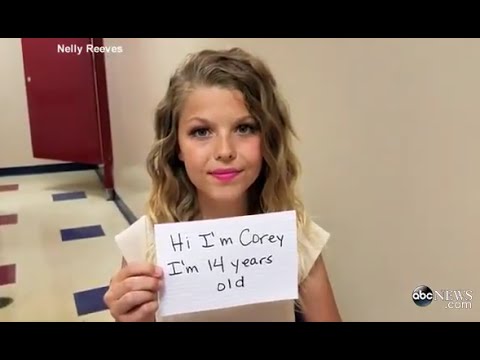
Transgender Teen Girl Shares Powerful Messages

Transgender teen shares powerful message on bullying on notecards: “We’re not a threat. We’re just like any other kids.

Video Date: 2016-06-16 19:09:58
Video Duration: 00:04:46
Tags: Transgender, Transgender Girl, Transgender Kids, Transsexual, Transsexuals

LGBT Documentary, Pakistan’s Transgenders

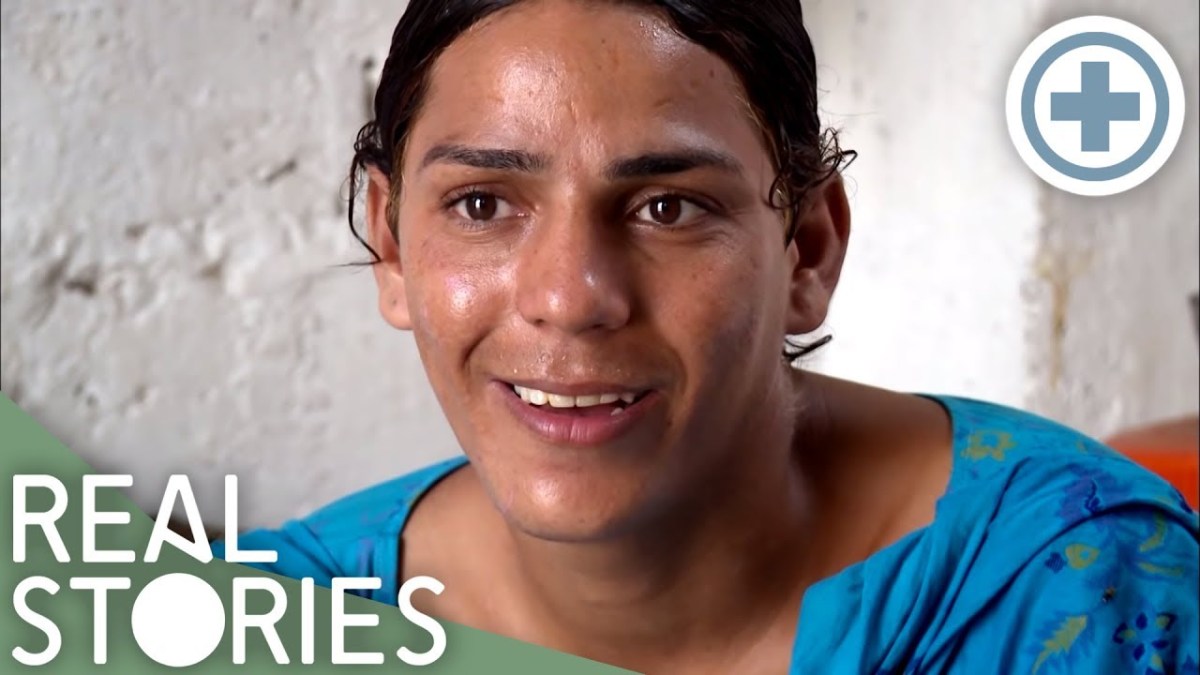
Flamboyant, colorful and eccentric, many among Pakistan’s marginalized transgender community scrape a living through dancing, singing and begging on the streets of the country’s economic capital, Karachi. Many others, though, earn money catering for the sexual needs of the city’s seedier districts.

Investigating a never-before-seen side of life in Pakistan, this film from Oscar and EMMY award-winning director Sharmeen Obaid-Chinoy follows the stories of three transgender people, who each represent a different way of life in the country. Maggie is a prostitute who dreams of becoming an air hostess, while Chahat was abandoned by every middle-class family to beg on the streets. Sana is Karachi’s most sought-after transgender dancer, desperate to give up the profession after a particularly gruesome gang rape. Is there any hope for these courageous individuals who want to stand out on their own?

With exclusive access, this cutting-edge film goes behind the scenes of the transgender community to uncover the truth behind Pakistan’s Open Secret.

Official Selection, United Nations Association Film Festival

Content licensed from TVF International. Any queries, please contact us at: owned-enquiries@littledotstudios.com

Produced by Clover Films

Date: 2016-12-30 15:00:04
Duration: 00:53:14

Transgender Girl Receives The First Dose Of Hormones

This video in which Corey, a transgender teenager, is receiving the first dose of female hormones from his mother, Erica Maison, is traveling around the world . A moment that Corey had been waiting for two and a half years. Mom recorded the scene because, as she said, she wanted to capture the happiest moment of her daughter’s life forever. The emotion overwhelms the girl as she realizes that she is about to start the journey in order to finally be herself.

“I would like parents of transgender children to open their hearts and accept their children for who they are, not for the gender they identify with or not.” Erica explained. “Their hearts do not change even if their external appearance changes. No child would like to be teased, injured, or targeted. No child would ever choose to be transgender, they were born 100% like this … We are all different, but at the same time we are all the same.

We all want to be loved and accepted by others, and that’s what every transgender child wants. Being loved and accepted, especially by parents “.

Japanese transgender couple… Japan LGBT community

Japanese transgender couple promise and reality of country’s LGBT community

Step by seemingly immeasurable step, Japan is beginning to acknowledge its country’s sexual minorities, an act at once both radical and surprisingly belated. And no one seems to represent those conflicted cultural strains more emblematically than 26-year-old Kazuki Osawa and his partner Shoi Osawa, a childhood friend. What makes this relationship so different is that Kazuki was born a girl and given the birth name Yumiko Higuchi.

“As a teenager, it gradually dawned on me that I was not normal. And the idea that I would have to live the rest of my life pretending to be the person I’m not, in conformity with others, tore me apart,” said Osawa.

But in a country known for its relative stability, any act of non-conformity is considered subversive. And nothing appears quite as subversive as declaring oneself a member of the LGBT community. So much so that TV shows routinely humiliate the LGBT community by depicting men as swishy eccentrics and lesbians and tool-toting, hyper-aggressive women. It’s a message that goes unchallenged in a nation unaccustomed to challenging well-established societal boundaries. And to drive that point home, the message is pervasive, not only in the lack of any meaningful civil protections for the LGBT community but that fact that bullying and intimidation are understood to be a consequence for going against the grain.

“In Japan, once you’re branded abnormal, it’s almost impossible to start over again,” he said, noting the nation’s conformist culture often makes sexual minorities balk at coming out for fear of discrimination.

But things are changing. According to JapanTimes.co.jp, an increasing number of companies and municipalities are open to greater diversity and [becoming] more tolerant toward members of the lesbian, gay, bisexual and transgender population. Thursday, Shibuya Ward, Tokyo (which has one of the highest concentrations of Japanese LGBT members), unveiled its as yet unapproved proposal to issue certificates declaring relationships of its same-sex couples being “equivalent to marriage,” an unprecedented move that, if realized, is expected to make life significantly easier for LGBT ward residents. (Many believe it will be approved. No vocal opposition has been mounted or is expected.)

But while this may seem like a historic first step, the realities are far less encouraging, the paper notes: “Equality Forum, a Philadelphia-based nongovernmental organization seeking to enhance the civil rights of LGBT ranks, reported in 2012 that a record 484, or 96.8 percent, of the top 500 companies ranked by Fortune magazine included sexual orientation in their employment nondiscrimination policies. In contrast, a 2014 survey on corporate social responsibility conducted by Japanese business magazine Toyo Keizai showed that 114, or just 18.7 out of 607 major listed companies in Japan, make efforts to protect their LGBT employees.”

Meanwhile, Kazuki and Shoi are taking the route many same-sex couples take who cannot have their relationships recognized by the state. They are adopting a child. As a result, they can register with the koseki family registry unit. This allows them to be treated as immediate family if one of them should be hospitalized. (The koseki family registry is required by Japanese law. All households are legally bound to report births, acknowledgements of paternity, adoptions, disruptions of adoptions, deaths, marriages and divorces of Japanese citizens to their local authority.)

“Some people dismiss same-sex marriage as meaningless because we wouldn’t be able to make babies,” Shoi said. “But a lot of opposite-sex couples in Japan opt not to have kids and are still allowed to marry. It’s unfair that we’re not.”

Short URL: http://lgbtweekly.com/?p=56466

Transgender Short Film, Sam

“Sam” is a short film about gender identity and LGBTQ bullying written and directed by Sal Bardo. Synopsis: After being bullied at school for a boy, Sam escapes into the fields surrounding his house.

Sal Bardo is an award-winning writer-director whose films and music videos often tackle issues affecting gay and LGBT communities and have screened at film festivals around the world. Sal’s official YouTube channel brings you trailers, sneak peeks, full movies, and more!

Date: 2013-11-11 21:42:11
Duration: 00:10:43

Design a site like this with WordPress.com
Get started